

Daylight Balance and Daylight Flow - Full-Spectrum Daytime Bulbs (E27 and E14)
Dagslyspaerer for kontor og hjem - fullspektrum belysning uten den blatt toppen i vanlige LED-parer
Two variants for daytime rooms. Same E27 and E14 fittings as your existing lamps, swap and done. Consistent, colour-accurate light without the 450nm blue spike that standard LEDs carry all day.
What's the difference between Daylight Balance and Daylight Flow?
Daylight Balance is a single, fixed daytime setting for desks and kitchens. Daylight Flow is the same idea with three modes, so one bulb runs bright in the morning and shifts to amber by evening. I put Daylight Flow in my own home office lamp, it saves swapping bulbs twice a day.
Why the blue spike matters even in the daytime
Standard LEDs concentrate a sharp peak around 450nm, the same wavelength linked to evening melatonin suppression. During the day that spike is less of a sleep concern, but it is still associated with digital eye strain and a harsher, less natural quality of light over long working hours. Daylight Balance and Daylight Flow smooth that peak while keeping full daytime brightness, so the room still reads as bright, natural daylight.
For evening and bedtime lighting, see the separate Blue Light Free Evening Bulbs range, built specifically for melatonin protection after dark.
Two variants - choose by how the room is used
Why it matters
Consistent Daylight Quality
Full-spectrum output at 4000K keeps colours and skin tones looking natural through a full working day, without the harsh edge of a standard LED spike.
Eye Comfort at Your Desk
A smoothed blue peak means less of the visual fatigue associated with long screen sessions under standard daytime LEDs.
One Bulb, Full Day
Daylight Flow removes the need to swap bulbs by hand. Cycle from bright morning white to amber evening with the switch you already have.
Energy Efficient
LED technology, low wattage, long lifespan. Inexpensive to run through the long daylight hours a Norwegian office or kitchen needs in winter.
Fits Any Lamp
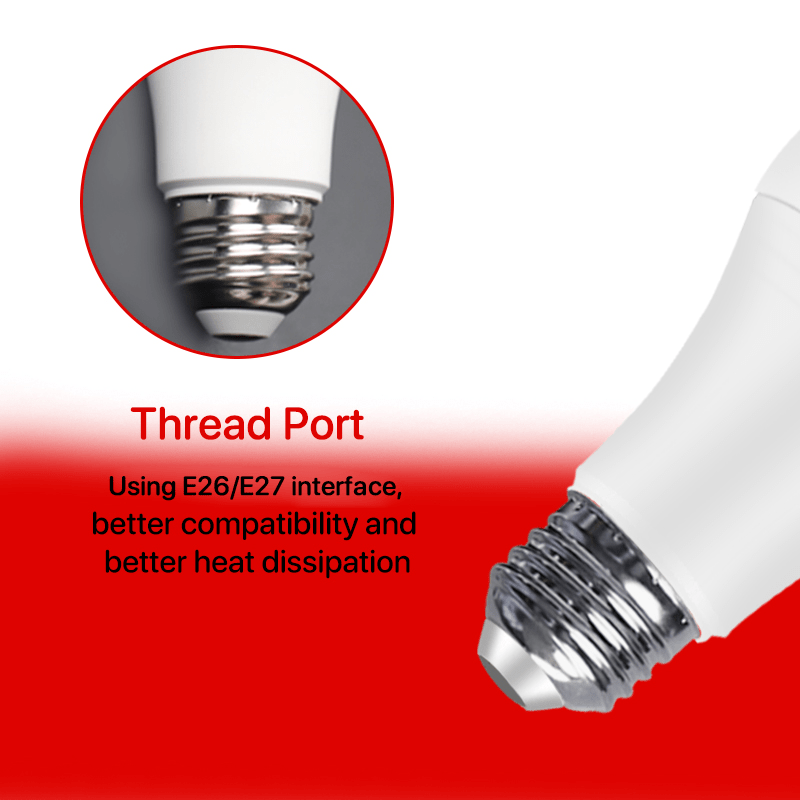
E27 and E14 cover virtually all Norwegian lamp fittings. No adapters, no rewiring, screw in, done.
Pairs With Evening Bulbs
Run Daylight Balance or Flow in daytime rooms, then switch to RedGlow or AmberEase evening bulbs after dark for full-day circadian coverage.
Norwegian daylight hours - short, and worth replacing well
Norwegian winters mean natural daylight in an office or kitchen can be gone by mid-afternoon. Daylight Balance and Daylight Flow give that room genuine full-spectrum brightness through the hours daylight itself cannot cover, without introducing the harsh blue spike that makes long indoor days feel more tiring than they need to.
Complete the light protocol
- Evening and bedtime: Blue Light Free Evening Bulbs, RedGlow and AmberEase pick up where these daytime bulbs leave off, protecting melatonin after dark.
- Personal screen protection: AfterDark blalysbriller for the evening hours these daytime bulbs are not designed for.
- Browse the range: Circadian and Sleep-Healthy Lighting collection for the full day-to-night lineup.
Technical specifications
| Fittings Available | E27 (standard) and E14 (candelabra) |
| Daylight Balance | Full spectrum, reduced blue spike, single mode, ~4000K |
| Daylight Flow | 3-mode: 4000K bright, reduced blue, ~1600K amber |
| Mode Switching (Daylight Flow) | Brief off/on cycle through existing lamp switch |
| Flicker | Flicker-free LED throughout |
| Certifications | CE, RoHS |
| Warranty | 1 year |

From Dominic
People often ask me why they'd need a daytime bulb at all if their evening bulbs already handle the melatonin side. The answer is eye comfort and consistency, standard LEDs are fine for most people during the day, but the blue spike adds up over an eight-hour desk session. Daylight Flow is the one I'd put in a lamp that stays on from morning to bedtime, you get good daytime light and just flip the switch twice on your way to bed.
📧 admin@lighttherapy.no · 📞 +47 951 47 478 (Text only)
Ships from Drammen - No import fees
30 Dagers Apent Kjop
Full refund within 30 days.
1-Year Warranty
Vanlige sporsmal / Frequently Asked Questions
What is the difference between Daylight Balance and Daylight Flow?
Daylight Balance is a single-mode full-spectrum daytime bulb with a reduced blue peak, designed for offices, kitchens and daytime-only spaces where you want consistent natural-quality light all day. Daylight Flow is a multi-mode bulb that shifts across three settings by switching the light off and on: bright 4000K daytime white, reduced-blue afternoon, and amber evening. One Daylight Flow bulb covers a room from morning through to bedtime; Daylight Balance is the better choice for a fixed daytime workspace that does not need an evening mode.
Which one should I choose for my room?
Choose Daylight Balance for a desk, office or kitchen used only during the day, where consistent bright, colour-accurate light matters most. Choose Daylight Flow for a room you are in from morning to night, such as a living room or a bedroom lamp you also use for daytime reading, since it can shift from bright white to amber as the day goes on.
Will these fit my lamps?
Yes. Available in E27 (standard) and E14 (candelabra), the two fittings used in virtually all Norwegian lamps. Screw in, done.
Are these bright enough for daytime work?
Yes. Both bulbs deliver bright, colour-accurate light at 4000K for daytime use, comparable to a standard office or kitchen bulb. The difference from a standard LED is the smoothed blue peak, not the brightness, so reading, screen work and cooking all look and feel normal.
Hva er forskjellen mellom Daylight Balance og Daylight Flow?
Daylight Balance er en enkeltmodus dagslyspaere med redusert blatt topp, laget for kontor og kjokken der du vil ha jevnt, naturlig lys hele dagen. Daylight Flow har tre moduser: lyst 4000K om dagen, redusert blatt om ettermiddagen, og amber om kvelden. Bytt modus ved a sla lyset kort av og pa. En Daylight Flow-paere dekker rommet fra morgen til kveld, mens Daylight Balance passer best til en fast dagarbeidsplass.
Passer disse i mine lamper?
Yes. Available in E27 (standard) and E14 (candelabra), the two fittings used in virtually all Norwegian lamps. Screw in, done.
Blinker paerene?
No. Both Daylight Balance and Daylight Flow are flicker-free LED, comfortable for extended desk work or screen use throughout the day.