





AfterDark Blålysbriller - Blue Light Blocking Glasses Norway
CE-certified · Spectrometer-tested · 98-99% blue light blocked · The full AfterDark range
(Blålysblokkerende briller - beskytter melatonin og søvn. Velg din ramme og linsefarge.)
What wavelength does blue light blocking actually need to cover?
Melanopsin, the receptor driving melatonin suppression, peaks in sensitivity around 460-490nm. Blocking anything less than that band barely helps. Both AfterDark lenses are built specifically around this range - Sundown blocks 98.5% of it, Moonlight blocks 99%+. I'd rather sell you a lens with a real spectrometer certificate than a vague "blue light" claim.
Some call them blålysbriller. Others search for søvnbriller or døgnrytmebriller - glasses built to protect your sleep and support your body's circadian rhythm. Whatever you call them, the job is the same: your body needs melatonin to start rising a few hours before sleep, and blue and cyan wavelengths from screens and LED lights block that signal, telling your brain it is still daytime even at 10pm. AfterDark glasses remove those wavelengths before they reach your eyes each evening, so your melatonin can rise on schedule without any other changes to your routine.
The range now covers TR90 flex, metal, kids and a precision Amber and Red line, all sharing the same spectrometer-tested lens technology as explained on our blue light lens testing page. The choice is about fit and lifestyle, not protection level. Choose the frame you will actually wear every evening.
The melanopsin-containing retinal ganglion cells in your eyes are maximally sensitive to light between 460-490nm, exactly where blue LEDs and screens peak. Even dim evening light in the blue range is enough to suppress melatonin production by up to 50% and delay its onset by 90 minutes or more. AfterDark lenses physically block that band before it reaches the retina, the equivalent of telling your brain the sun has set, even if you are watching TV under bright LED ceiling lights.
This is why screen filters and Night Shift settings are not sufficient on their own, they reduce some blue light but still allow significant transmission in the 460-490nm band. Physical lenses blocking 98-99% of the relevant spectrum are a different order of magnitude.
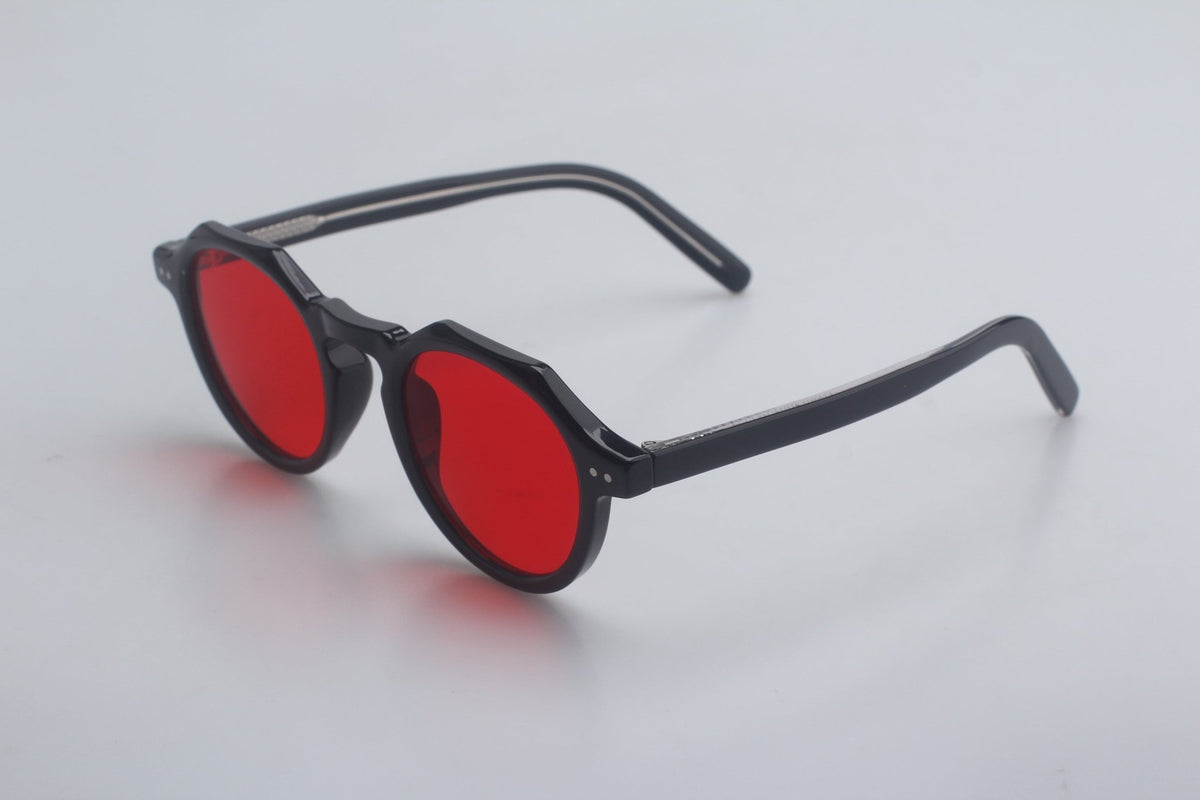
It's easy to assume bright evenings mean you're fine without glasses. But if you're still on a screen or under LED light at 10pm because the sky looks like daytime, your melatonin is being suppressed exactly the same as any other night. Moonlight red lenses give your body the "sun is down" signal your eyes aren't getting from outside.
The trap is assuming glasses do not matter when it is dark outside. Indoor LED lighting emits the same 460-490nm blue peak regardless. You can suppress melatonin just as effectively in January under artificial light as in June. With your circadian system already under stress from the lack of morning light, adding evening suppression makes it significantly worse.
Children's crystalline lenses are clearer than adults', transmitting 40-50% more blue light to the retina. Evening screen time without protection significantly delays their melatonin onset. The Firefly and Starlight frames are sized specifically for smaller faces.
Most Norwegian homes run standard LED lighting that peaks strongly in the blue range. The most consistent results come from combining AfterDark glasses with amber or red bulbs at home, glasses handle screens, bulbs handle everything else.
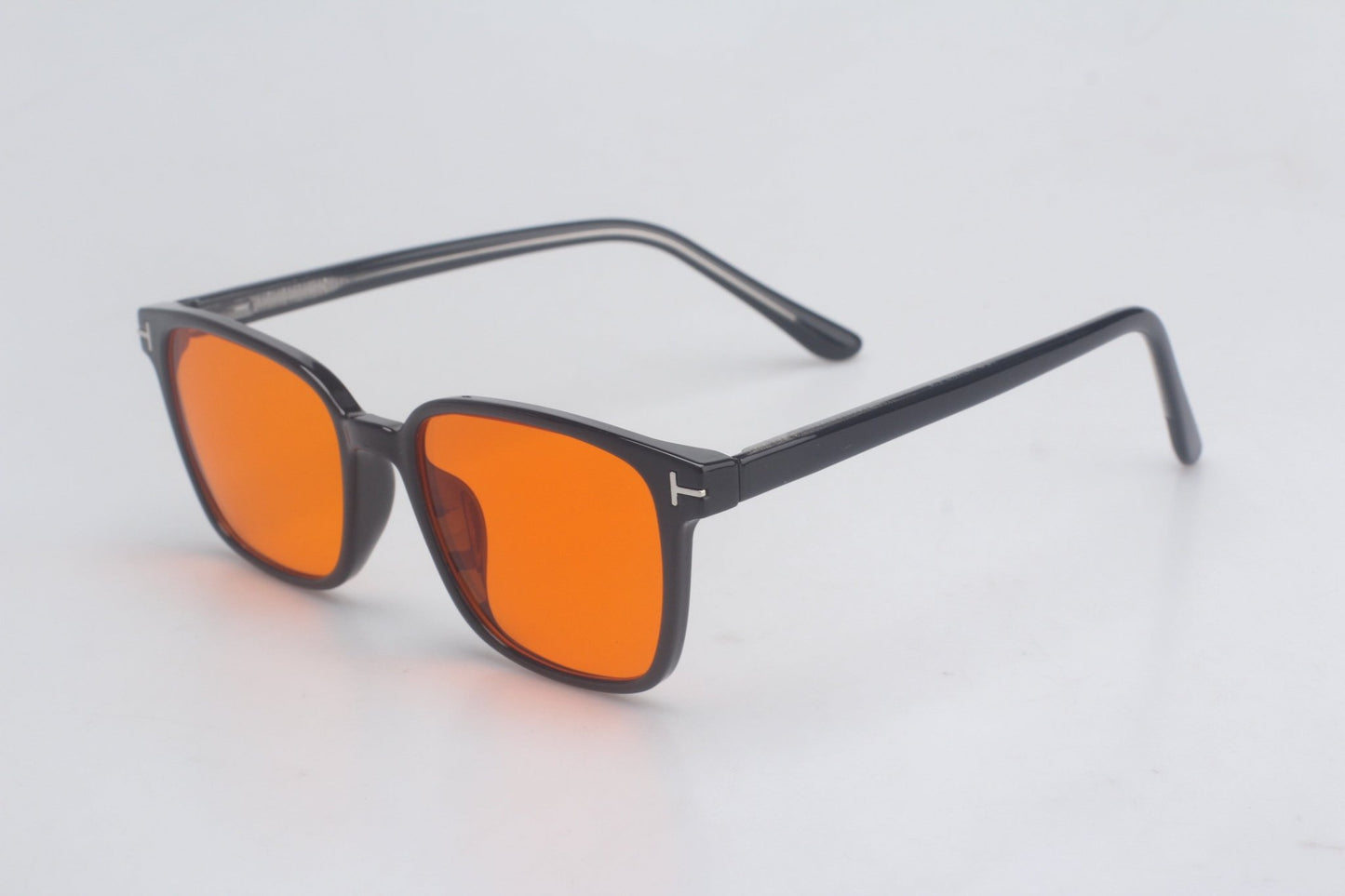
All frames are available in both lenses. Choose based on when and how you wear them:
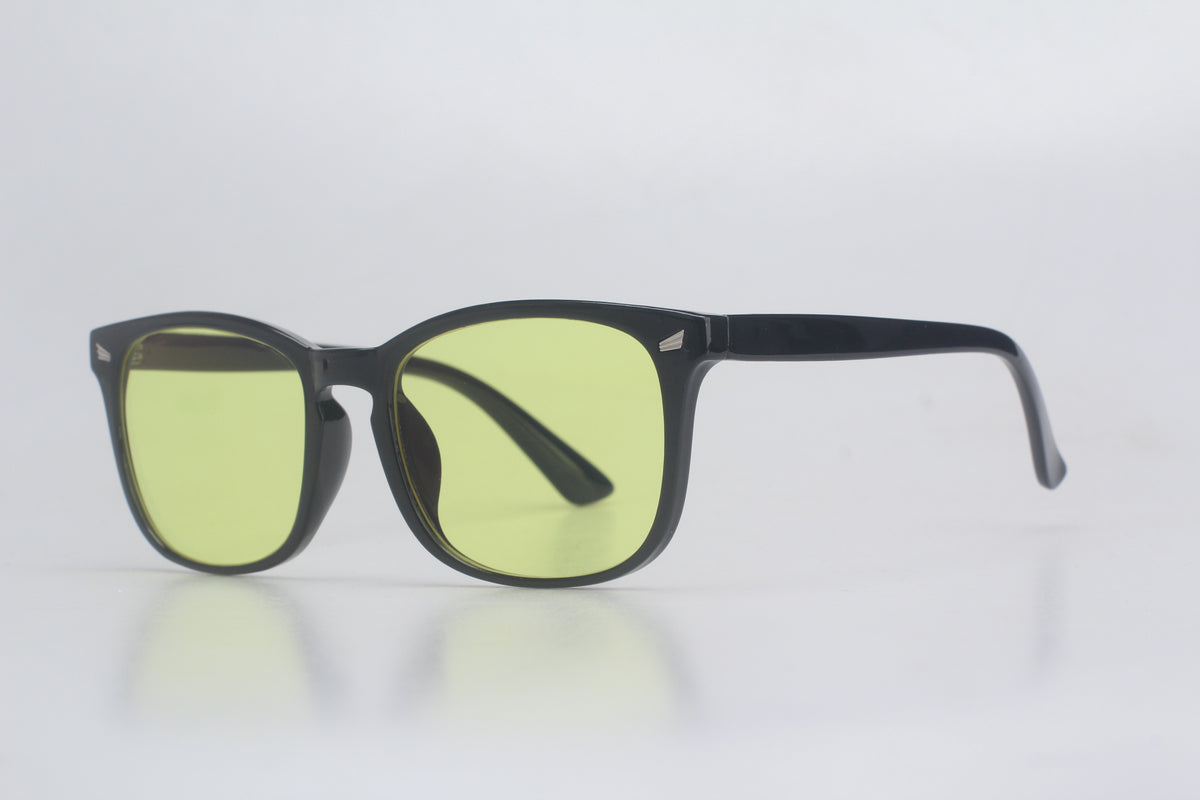
- Blocks 98.5% of blue light
- Blocks 95% of cyan wavelengths
- Colour perception shifted but functional
- Good for TV, screens, social settings
- Best from dinner until roughly 1 hour before sleep
- Blocks 99%+ of blue AND green light
- Full 380-550nm spectrum blocked
- Colour perception significantly altered
- For the final 60-90 minutes before sleep
- Essential for Nordic summer nights
Same lenses, different frames. Click any frame to go to its dedicated product page with full specs.


Full-rim TR90, now in Transparent, Smoke and Black. Light enough to forget you're wearing it.
View Ghost


Round silver metal, rubber-tipped arms. Halo aesthetic with a more secure grip for active evenings.
View Arc


Squared TR and CP frame with a metal bridge, 22.4 grams. Reads as ordinary office eyewear on a video call.
View Architect
Kids' frame. Supports developing circadian systems during evening screen time.
View Starlight
Two-lens magnetic system, Clear (daytime screens) plus Amber (evening). One frame, day to evening.
View Phase Shift
Four-lens magnetic system, Clear, Yellow, Orange, Red. Complete all-day circadian protection in one slim, portable frame.
View MeridianGlasses handle your eyes. These products handle the rest of your home's light environment:
- Room lighting: Sirkadisk belysning, amber and red evening bulbs that change the whole room without everyone needing to wear anything
- Daytime screens: Nooner daytime glasses, yellow lenses that reduce eye strain without blocking the alerting effect of blue light during hours you need it
- Bathroom at night: SleepGuard amber motion sensor light, bathroom trips that do not reset melatonin at 3am
- Kids' bedroom: Wireless red and amber night lamp, bedside use alongside the glasses for the full bedtime routine
- Morning reset: Red light therapy panels, morning rødlysterapi to anchor your circadian rhythm for the day
- Recovery: Jording og PEMF, grounding bedding that addresses inflammation and cortisol balance during sleep itself
- Full guide: eBook - A Practical Guide to Blue Light Blocking for Norwegian Families

The glasses are the easiest entry point into circadian management. You do not need to change anything about your evening, just put them on when you sit down for dinner. Most people notice a real difference in how quickly they feel sleepy within three to five evenings of consistent use. That is not coincidence, it is what happens when your melatonin starts rising at the right time again.
This range keeps growing with what customers actually ask for. Kids sizes, metal frames, the Arc for those who want the Halo look with a more secure grip, the Phase Shift for day-and-evening coverage in one frame, the Meridian for the complete picture, and now Quantum, Titanium and Architect for people who want a frame that doesn't look like a sleep aid at all.
If you are not sure which frame to start with, just reach out. I am still the one answering here in Drammen.
📧 admin@lighttherapy.no · 📱 +47 951 47 478 (Text only)
These glasses significantly alter colour perception and must not be used for driving or operating machinery. For stationary indoor evening use only.